Check Valves

KLINGER Check valves operate by pressure differential; without having to be monitored or controlled.

KLINGER Check valves are primarily used to fully close the passage of a circulating (gaseous or fluid) medium in one direction and to simultaneously allow free passage in the other direction.

Check valves are found in almost every industrial application acting as one-way or non-return valves. If flow turns and no check valve is installed, water hammer can occur, easily damaging a pipeline or components. Therefore, they perform a vital function by preventing reverse flows, preventing damage, and ensuring efficient operations. However, they are not recommended for use as the primary means of shutoff but as a backup should the primary shutoff valve fail.

Key Features of KLINGER Check Valves

  • Threaded, flanged or closable check valves designs
  • Depending on the check valve design: suitable for water, non-aggressive liquids and gases, steam, condensate
  • Depending on the check valve: universal, horizontal, or vertical mounting

Chemicals, pulp and paper, food processing, water and wastewater treatment, industrial, marine and mining, pumps, pipelines and power generation are among the many fluid flow and pumping applications that feature check valves. Frequently check valves are placed in series, for instance in water systems to prevent backflow of contaminated water into clean water supply lines.

Though the function of check valves is the same regardless of where they are being used, the types of check valves vary according to the flow rate, media gravity and temperature, line size, pressure, and velocity of the flow.

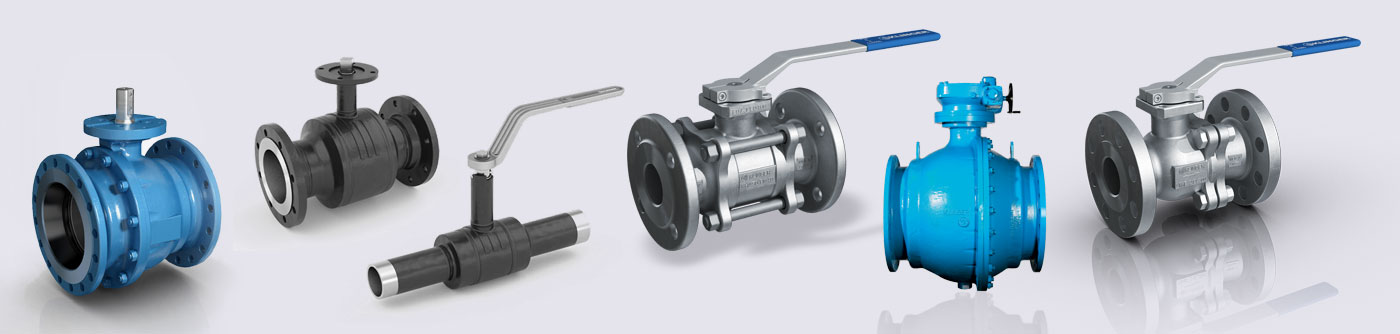
Types of Check Valves

Download

Please fill the following form to download.

By clicking download, you are agreeing to our 'Terms of Use' and 'Privacy Policy'.